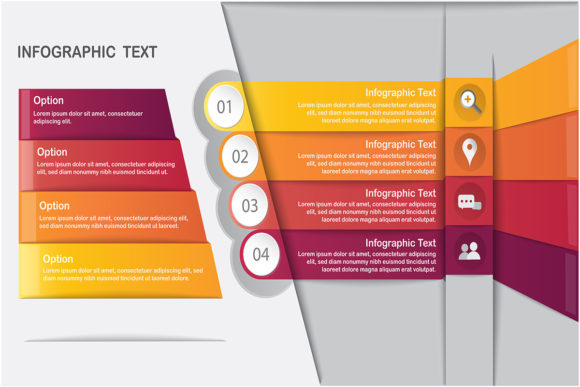
Modern Infographics Template: A Versatile Tool for Visual Communication
What Is the Modern Infographics Template?
The Modern Infographics Template is a flexible, professionally designed visual resource intended for a wide range of applications including business presentations, educational materials, web design, banners, and brochures. Built using vector-based formats such as AI and EPS, this template offers full editability, allowing users to customize text, colors, and layout elements to suit specific needs. It can also be exported into common raster formats like PNG and JPEG, making it compatible with both print and digital workflows.
Why Would Someone Consider Using This Template?
Visual communication is increasingly essential across industries, and the Modern Infographics Template provides a ready-made solution for those who need to convey complex information clearly and engagingly. Whether you're a marketer designing a campaign, a teacher creating classroom visuals, or a small business owner crafting promotional material, this template offers a streamlined way to produce high-quality infographics without starting from scratch.
Key Benefits of the Modern Infographics Template
- Full Editability: With support for Adobe Illustrator and other vector editing software, users can easily modify every element, from layout and typography to icons and color schemes.
- Multiple File Formats: The availability of AI, EPS, PNG, and JPEG files ensures compatibility with both design professionals and those who may only need static image versions.
- Scalable Vector Graphics: Vector formats allow for crisp visuals at any size, making the template suitable for both digital and print use without quality loss.
- Customizable Text and Colors: Users can tailor the template to align with brand guidelines or project-specific requirements without needing advanced design skills.
Tradeoffs and Considerations
While the Modern Infographics Template offers many advantages, it's important to weigh its suitability against your specific needs. For instance, if you're not familiar with vector editing tools like Adobe Illustrator, there may be a learning curve involved in making full use of the template’s capabilities. Additionally, while the template is highly customizable, it may not always align perfectly with very niche or unconventional design requirements.
Another consideration is licensing. Depending on the source, some templates may have restrictions on how they can be used or distributed. Always verify the license terms before using the template in commercial or large-scale projects.
When the Modern Infographics Template Is a Strong Fit
This template is particularly well-suited for users who:
- Need to create professional-looking infographics quickly without hiring a designer.
- Are working with limited design experience but have access to vector editing software.
- Require consistent branding across multiple visual assets such as presentations, reports, and marketing collateral.
- Need high-quality visuals that scale across different formats and sizes.
When Alternatives May Be Worth Considering
There are scenarios where alternative tools or templates might be more appropriate:
- If you're working with a very tight deadline and don't have time to customize a template, pre-made infographic generators or drag-and-drop tools like Canva or Piktochart may offer faster results.
- If you require extremely specialized data visualizations or animations, a custom-built solution may be necessary.
- If your team lacks access to vector editing software, you may find the template difficult to modify beyond basic exports like PNG or JPEG.
Practical Insights for Decision-Making
Before deciding to use the Modern Infographics Template, evaluate the following factors:
- Technical Proficiency: Do you or your team have access to Adobe Illustrator or another vector editing tool? If not, you may be limited to using the template as-is in raster formats.
- Project Scope: Is this a one-time infographic or part of a larger branding effort? If you need multiple visuals with consistent design elements, the template's customization features will be especially valuable.
- Time Constraints: How much time do you have to tailor the template? While it offers flexibility, customization can take time—especially if you're new to the file formats involved.
- Budget: How does the cost of the template compare to alternatives? Some platforms offer free infographic templates with similar usability, though they may lack the scalability and professional polish of a vector-based option.
How to Get the Most Out of the Modern Infographics Template
To maximize the value of this template, consider the following best practices:
- Use Vector Editing Tools: If possible, use Adobe Illustrator or a similar program to fully leverage the editable text, colors, and layout features.
- Stick to Brand Guidelines: Customize the template to match your brand’s color palette, fonts, and imagery to maintain consistency across materials.
- Export Strategically: Choose the appropriate format for your use case—PNG for high-quality images, JPEG for compressed visuals, and PDF for print or multi-page documents.
- Test Across Devices: If the infographic is for digital use, ensure it looks good on both desktop and mobile screens by reviewing exported versions on different devices.
Conclusion: Is the Modern Infographics Template Right for You?
The Modern Infographics Template is a powerful, flexible resource for anyone looking to create visually engaging content efficiently. Its combination of full editability, vector scalability, and export flexibility makes it a strong contender for business, education, and design professionals who need to produce polished visuals on a regular basis.
However, its effectiveness depends on your specific needs, tools available, and the time you can invest in customization. If you're seeking a balance between professional quality and ease of use—and have access to vector editing software—the Modern Infographics Template is likely a smart investment. If speed or simplicity is your top priority, or if your needs are highly specialized, exploring alternative tools may be more practical.
In the end, the decision comes down to how well the template aligns with your workflow, design goals, and the audience you're trying to reach.