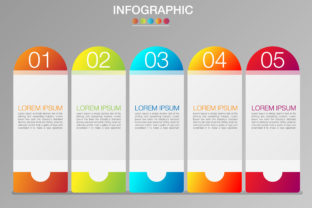
Infographic Design Vector for Marketing: A Practical Guide for Decision-Makers
What Is Infographic Design Vector for Marketing?
Infographic design vector for marketing refers to the use of scalable vector graphics (SVG) and editable vector formats—often delivered as EPS or JPG files—to visually communicate complex marketing data, strategies, or brand messaging. Unlike raster images, vector graphics maintain clarity at any size, making them ideal for marketing materials that may be used across different platforms and print sizes.
These design assets typically include charts, diagrams, icons, and layout templates tailored for marketing use. They are often sold or distributed as part of design kits, allowing marketers and designers to customize visuals without needing to create them from scratch.
Why Consider Infographic Design Vector for Marketing?
Marketers, content creators, and small business owners often seek infographic design vectors to streamline visual content creation. Visual storytelling has become a cornerstone of modern marketing, and vector-based infographics offer a flexible, high-quality solution for presenting data, product benefits, or campaign narratives.
For those without in-house design capabilities, using pre-made vector files can save time and reduce reliance on external designers. Additionally, because vector files like EPS can be edited in programs like Adobe Illustrator, they offer a level of customization that raster images cannot match.
Key Benefits of Using Vector Infographics in Marketing
- High-Quality Output: Vectors scale without losing clarity, ensuring professional visuals across digital and print formats.
- Customization Flexibility: Edit colors, text, and layout to match brand guidelines without compromising image quality.
- Cost-Effective: One-time purchases of vector design packs can be reused across multiple campaigns.
- Time Efficiency: Ready-made templates speed up the design process, especially for time-sensitive campaigns.
Tradeoffs and Considerations
While vector-based infographic design offers many advantages, it’s not without limitations. Users unfamiliar with vector editing software may face a learning curve when working with EPS files. Additionally, not all marketing teams have access to the necessary tools or expertise to modify these files effectively.
Another consideration is relevance. Pre-made templates may not always align perfectly with a brand’s unique message or visual identity. In such cases, customization may require significant effort or additional design support.
When Vector Infographics Are a Strong Fit
Vector infographics are particularly well-suited for:
- Marketing Agencies: Serving multiple clients with varying brand identities benefits from adaptable, high-quality visuals.
- Digital Marketers: Creating social media posts, blog graphics, or email newsletters where visual clarity and scalability matter.
- Content Repurposing: Adapting the same infographic for different platforms (e.g., web, print, presentations) without quality loss.
- Branded Reports: Presenting market research, customer insights, or company performance in a visually compelling format.
When Alternatives May Be Worth Considering
In some cases, alternatives to vector-based infographic design may better suit marketing needs:
- Ready-Made Raster Templates: For users without design software, JPG-based templates may offer a more accessible solution, especially when scalability isn’t a priority.
- Online Infographic Builders: Platforms like Canva or Piktochart allow users to create infographics without needing to edit vector files directly.
- Custom Design Services: When brand-specific visuals are critical, investing in custom design work may be more effective than adapting existing templates.
Practical Insights for Decision-Making
When evaluating whether to use infographic design vector for marketing, consider the following factors:
- Technical Capability: Do you or your team have access to vector editing tools like Adobe Illustrator or Affinity Designer?
- Brand Consistency: Will the template style and layout align with your existing brand assets, or will significant editing be required?
- Use Case: Will the infographic be used across multiple formats or in print? If so, vector files are likely the better choice.
- Time Constraints: Are you under tight deadlines? Vector templates may speed up the process if you have the right skills or tools.
- Budget: How much are you willing to invest in design assets or services? Vector packs can be cost-effective but may require additional time or training.
Setting Realistic Expectations
Adopting infographic design vector for marketing should be seen as a tool, not a complete solution. While it can significantly enhance visual content production, it works best when paired with a clear understanding of design principles and marketing goals.
Expect to spend time selecting the right templates, customizing them for your brand, and ensuring they serve your audience effectively. Not all templates will deliver the same impact, and some may require more tweaking than others.
How to Evaluate Vector Infographic Resources
When selecting a vector infographic pack or file (such as an EPS or JPG file), look for the following:
- File Compatibility: Ensure the files are compatible with your design software and workflow.
- Customization Options: Check whether elements like colors, fonts, and layout components can be easily modified.
- Design Quality: High-quality vectors should have clean lines, balanced layouts, and professional aesthetics.
- Licensing: Confirm whether the file is licensed for commercial use and whether attribution is required.
- Support and Documentation: Some providers offer tutorials or support for customizing their files, which can be invaluable for non-designers.
Final Thoughts
Infographic design vector for marketing offers a compelling combination of flexibility, scalability, and visual quality. Whether you're a marketing professional, content creator, or small business owner, it can be a valuable asset in your toolkit—provided you understand its strengths, limitations, and ideal use cases.
Before investing in vector-based infographic templates, assess your team’s capabilities, project requirements, and long-term marketing strategy. When chosen thoughtfully, these design assets can enhance your visual communication efforts and help you deliver impactful messages with greater efficiency.