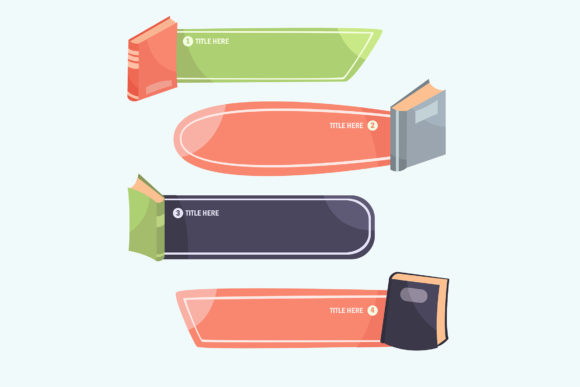
Hand-Drawn Book Infographics for Modern Design Projects
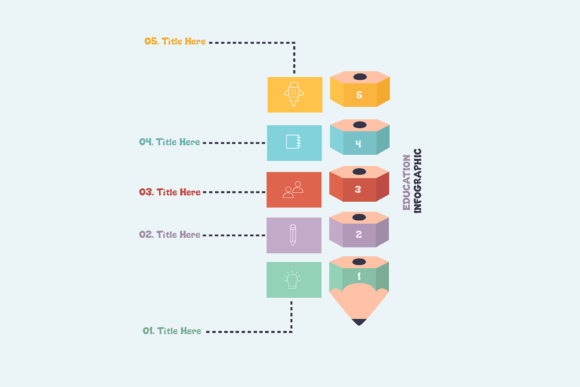
In a digital landscape flooded with sleek, computer-generated visuals, the charm and authenticity of hand-drawn book infographics stand out with refreshing clarity. These creative assets, especially when delivered in a versatile format like EPS10 with embedded images, offer designers a powerful tool to communicate complex information in an engaging, approachable way. Whether you're crafting editorial layouts, brand identities, or marketing materials, integrating hand-drawn infographics can elevate both the visual appeal and communicative effectiveness of your work.
Why Hand-Drawn Infographics Matter in Visual Design
Hand-drawn visuals bring a human touch to digital content, bridging the gap between traditional craftsmanship and modern design efficiency. Unlike rigid vector icons or stock illustrations, hand-drawn book infographics convey personality, making them ideal for storytelling, educational content, and branding materials that aim to connect emotionally with the audience.
These infographics are particularly effective in:
- Enhancing visual hierarchy through organic shapes and textures
- Adding warmth and approachability to data-heavy content
- Supporting brand identity with a unique, memorable aesthetic
Practical Applications Across Design Disciplines
From branding to digital marketing, hand-drawn infographics have broad applications that extend beyond editorial design. Their flexibility makes them valuable in various creative workflows, especially when used as part of a cohesive visual system.
Branding and Logo Design
Incorporating hand-drawn elements into brand identity can differentiate a business in a visually saturated market. These assets work well in logo design, packaging, and promotional materials, especially for brands that want to emphasize creativity, craftsmanship, or approachability.
Social Media and Web Design
On platforms where attention spans are short, engaging visuals are essential. Hand-drawn book infographics can simplify complex topics in social media posts, landing pages, or UI components, enhancing user experience while maintaining a modern aesthetic.
Presentation and Print Design
Whether used in pitch decks, annual reports, or educational materials, these infographics help break up text-heavy content and guide the viewer’s eye through key information. They’re especially effective in print design, where tactile and visual richness plays a larger role in audience engagement.
Design Considerations for Optimal Use
When selecting or integrating hand-drawn book infographics into your design workflow, several factors should guide your choices:
- Consistency: Ensure the style aligns with your brand’s visual language and other creative assets.
- Scalability: Vector-based EPS10 files offer excellent scalability, making them suitable for both digital and print use.
- Readability: Even the most visually appealing infographic must communicate clearly—balance artistic flair with functional design.
- Color Compatibility: Choose infographics that either match your brand’s color palette or can be easily recolored without losing visual integrity.
Additionally, consider how typography pairs with these visuals. A hand-drawn illustration often works best with a clean, modern sans-serif or a complementary script, depending on the tone you wish to convey.
When used thoughtfully, hand-drawn book infographics contribute to a polished, professional presentation that resonates with audiences and enhances storytelling. As design trends continue to favor authenticity and human-centered visuals, these assets will remain a valuable tool in the creative professional’s toolkit.