Dental Flyer: Enhancing Communication and Branding in the Health and Medical Industry
In the competitive landscape of dental and medical services, standing out requires more than just expertise—it demands clear, compelling communication. A well-designed Dental Flyer serves as a powerful tool for clinics, practitioners, and health professionals to connect with their audience. Whether used for promoting services, announcing events, or sharing essential health information, a thoughtfully crafted flyer bridges the gap between clinical excellence and effective outreach.
Understanding the Role of a Dental Flyer in Health and Medical Marketing
A Dental Flyer is more than just a piece of paper handed out in a waiting room. It's a strategic component of a broader marketing and communication plan. In the health and medical sector, where trust and clarity are paramount, a flyer can reinforce professionalism, convey key messages, and guide potential patients toward action.
When integrated into a clinic's overall branding strategy, a flyer can be used before a patient interaction to generate awareness, during a visit to support education, and after treatment to reinforce care instructions or encourage follow-up appointments. Its versatility makes it a valuable asset in both physical and digital formats.
How a Dental Flyer Fits Into the Broader Workflow
The creation of a Dental Flyer typically follows a structured process that aligns with other marketing materials such as posters, banners, book covers, and magazine layouts. Each of these formats plays a role in maintaining visual consistency across different touchpoints. For example, a poster used in a waiting room might mirror the color scheme and design elements of a flyer distributed at a community health event.
Designers often begin by defining the flyer’s objective—whether it's to announce a new service, promote a seasonal offer, or educate on oral hygiene. From there, they select appropriate templates, visuals, and layout structures that align with the clinic's brand identity. Modern design tools allow for seamless integration with other media, ensuring that the flyer fits into a cohesive visual narrative.
Using a Dental Flyer at Different Stages of Engagement
One of the strengths of a Dental Flyer is its adaptability across various stages of patient interaction:
- Before a visit: Flyers can be mailed to local households, shared on social media, or included in community health kits to generate awareness and attract new patients.
- During a visit: In-clinic flyers can guide patients through available services, explain procedures, or promote special offers, enhancing the overall experience.
- After a visit: Follow-up flyers might include post-treatment care instructions, reminders for future appointments, or invitations to subscribe to a clinic newsletter.
This multi-stage approach ensures that the flyer is not just a one-time promotional tool but part of a continuous engagement strategy that builds trust and loyalty over time.
Integrating Dental Flyer Design with Other Tools and Platforms
Designing a Dental Flyer doesn’t occur in isolation. It often involves collaboration between healthcare providers, marketing teams, and graphic designers. Tools like Adobe InDesign, Canva, or Figma are commonly used to create layouts that are both visually appealing and functional. These platforms support integration with other assets such as:
- Brand guidelines: Ensuring consistency in fonts, colors, and tone across all materials.
- Photography and illustrations: Using high-quality images of dental professionals, patients, or clinic environments to build relatability.
- Infographics: Simplifying complex information like oral hygiene routines or treatment options into digestible visuals.
When used in tandem with digital tools like email marketing platforms or CRM systems, a flyer can also be tracked for engagement and effectiveness, allowing for data-driven adjustments to future campaigns.
Practical Implementation Tips for Designing and Using a Dental Flyer
Creating an effective Dental Flyer involves more than just choosing a template and adding text. Here are some practical considerations for ensuring your flyer delivers results:
- Define your audience and purpose: Are you targeting families, seniors, or professionals? What action do you want them to take? Answering these questions will shape your content and design choices.
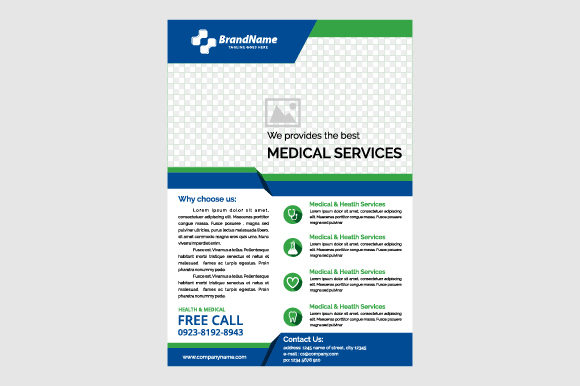
- Use a modern, clean layout: Cluttered designs can overwhelm readers. Use white space strategically to highlight key messages and guide the viewer's eye.
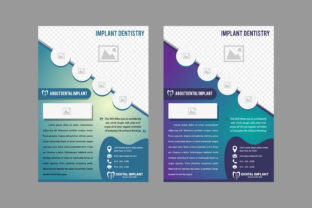
- Incorporate gradient green and blue tones: These colors are associated with trust, health, and calmness—ideal for dental and medical branding. Use them in backgrounds, icons, or call-to-action buttons.
- Include clear calls to action: Whether it's visiting a website, calling for an appointment, or following on social media, make the next step obvious and easy to follow.
- Ensure readability: Use legible fonts and sufficient contrast between text and background. Avoid overly technical language unless targeting professionals.
Testing different versions of your flyer—whether through A/B testing digital versions or distributing printed samples in different neighborhoods—can provide valuable insights into what resonates most with your audience.
Workflow Examples: From Concept to Distribution
Here’s a typical workflow for creating and using a Dental Flyer in a real-world setting:
- Preparation: Gather content, images, and brand assets. Define the flyer’s objective and target audience.
- Design: Choose a template that matches your clinic’s aesthetic. Use layout tools to create a visually balanced composition with a clear hierarchy of information.
- Review and Approval: Share the draft with stakeholders for feedback. Make revisions based on input from marketing, clinical staff, or leadership.
- Printing or Publishing: Decide whether the flyer will be printed or shared digitally. Optimize for both formats to maximize reach.
- Distribution: Place printed flyers in strategic locations like local businesses, schools, or community centers. Share digital versions via email, social media, or embedded on your clinic’s website.
This workflow ensures that the flyer is not only well-designed but also aligned with the clinic’s goals and audience needs.
Long-Term Integration and Quality Control
To maintain effectiveness over time, it's important to treat the Dental Flyer as part of a larger content and design ecosystem. Regular audits of your marketing materials can help ensure consistency in messaging, branding, and quality. Consider the following:
- Update frequency: Review and refresh your flyer content periodically to reflect new services, promotions, or changes in contact information.
- Feedback loops: Collect input from patients or team members on how the flyer is received and whether it’s achieving its intended purpose.
- Design templates: Maintain a library of approved templates that can be reused for different campaigns, saving time and ensuring brand integrity.
By integrating the Dental Flyer into your clinic’s ongoing communication strategy, you ensure it remains a relevant and impactful tool for patient engagement.
Conclusion: Making the Most of Dental Flyer in Your Practice
A Dental Flyer may seem like a simple asset, but when used thoughtfully, it becomes a vital part of a clinic’s outreach and branding efforts. Whether you're launching a new service, educating patients, or building community awareness, a well-designed flyer can make a lasting impression. By understanding its role in your broader workflow, integrating it with other tools, and maintaining a focus on clarity and quality, you can create materials that not only inform but also inspire action.